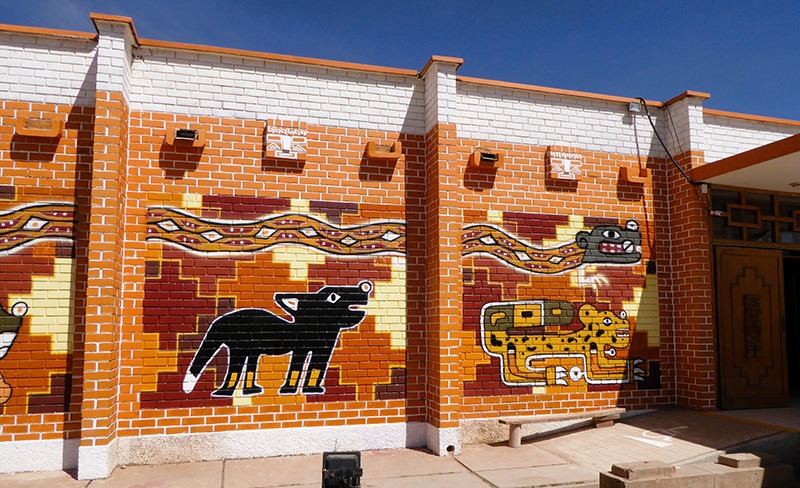
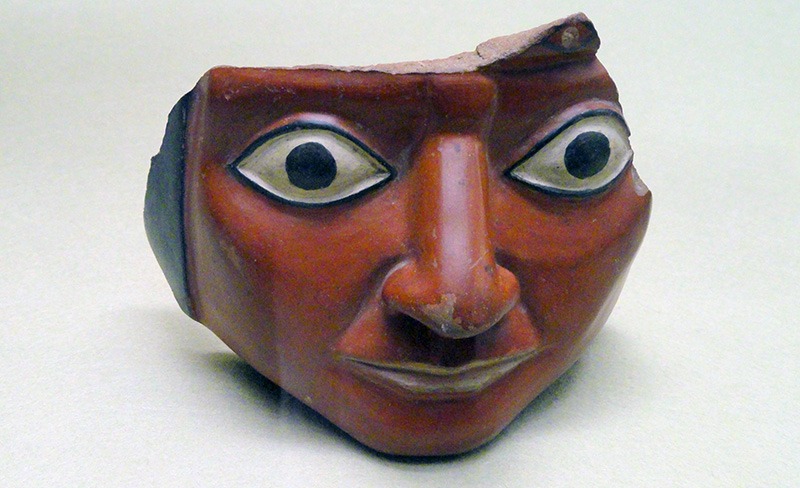
Tiwanaku

Cradle of Ancient Civilization

Archaeological mystery

A short distance from La Paz, in the heart of the Andean highlands, a journey back in time to the region’s most distant past awaits you. Tiwanaku, declared a World Heritage Site by UNESCO, is the center of one of the most important pre-Inca civilizations in South America.

Explore an archaeological site steeped in mystery, where each stone tells the story of a people who mastered astronomy, engineering, and Andean art.

Must-See attractions

Our tour will take you through the most iconic structures of this ceremonial complex, revealing the grandeur of its architecture:

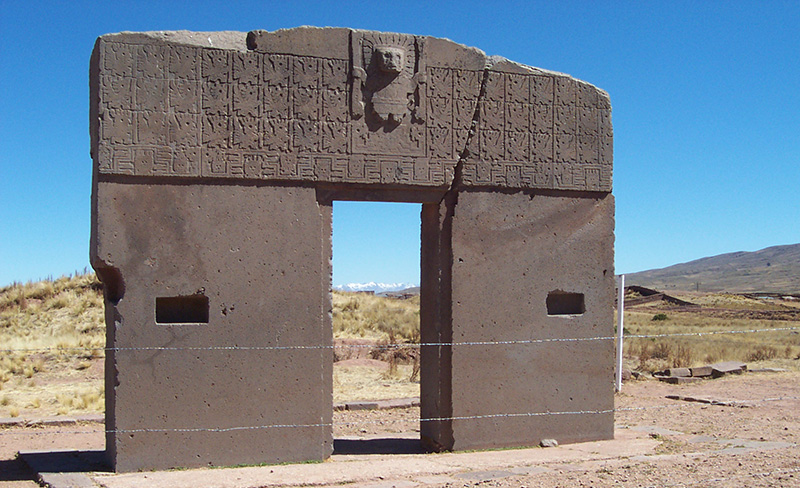
The Gate of the Sun

The jewel of Tiwanaku and its most famous symbol. Admire the impressive monolith carved with reliefs representing the god Viracocha and astronomical symbols believed to have functioned as an ancient calendar.

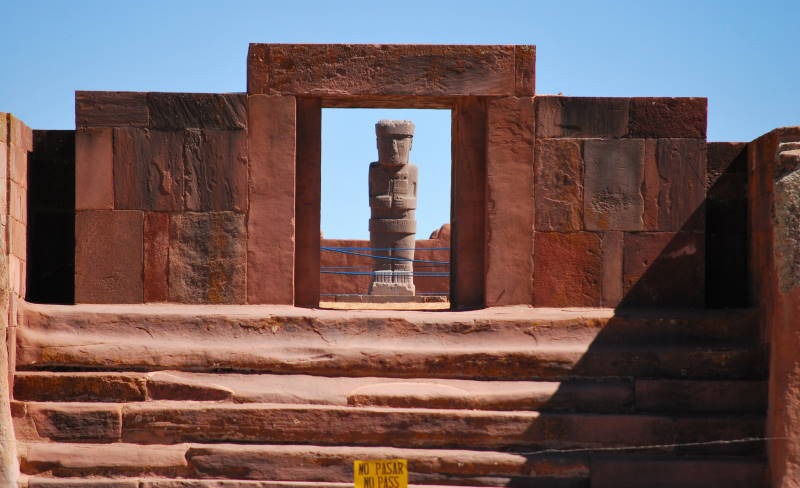
The Kalasasaya Temple

A vast open-air temple surrounded by high stone walls, astronomically aligned. Here you will find the imposing Gate of the Sun and the Ponce monolith, which demonstrate the precision of Tiwanaku engineering and worldview.

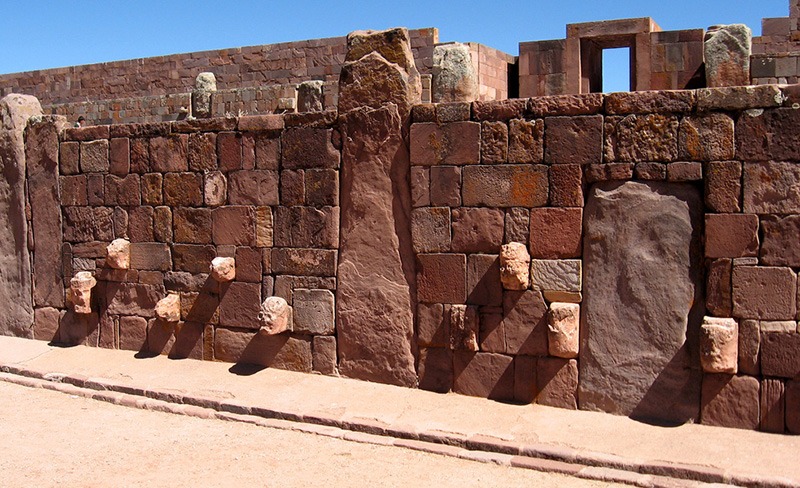
The Semi-Subterranean Temple

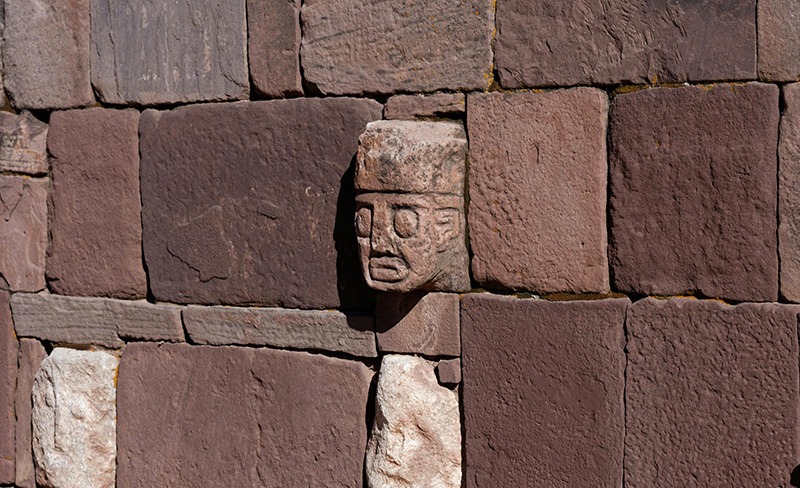
This sunken courtyard is one of the most intriguing areas. Its walls are adorned with dozens of carved heads of different shapes, each representing the various peoples who coexisted in the civilization.
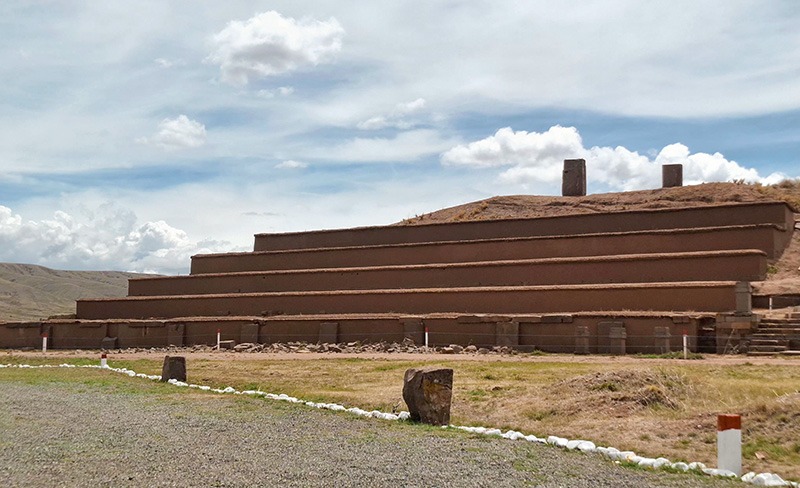
tiwanaku-explore-bolivia-travel-akapana

The Akapana Pyramid

A seven-level ceremonial pyramid believed to have been the main structure of the complex. Explore its stone steps and Andean cross (chakana) design, which reflects the Andean worldview.

The Site Museums

For a deeper understanding, visit the two museums located on site. They contain artifacts, ceramics, textiles, and the impressive Bennett Monolith, the largest in Tiwanaku, which will help you unravel the secrets of this culture.

When is the best time to visit?

The best time to travel to Tiwanaku is during the dry season, from April to October. During these months, the days are sunny and clear, with ideal weather for walking and exploring the site outdoors. Visibility is excellent for taking photographs, and the terrain conditions are more comfortable. The rainy season (November to March) can make the trails muddy and the rains can interrupt activities, although the surrounding landscape becomes greener.

Recommendations and Essential Precautions

Tiwanaku is located at an altitude of 3,850 meters (12,630 feet) above sea level, so it is vital to take certain precautions for a comfortable trip:
  • Acclimatization: Altitude sickness, or “sorojche,” is common. We recommend spending at least one day in La Paz or the surrounding area before your visit to acclimatize.
  • Hydration and Pace: Drink plenty of water and walk at a leisurely pace to avoid fatigue. Tea or coca leaves are a popular natural remedy among locals.
  • Sun and Wind Protection: Solar radiation is very strong and the wind can be intense. Use high SPF sunscreen, a hat or cap, and sunglasses.
  • Clothing: The climate in the highlands is cold, especially in the mornings and evenings. Dress in layers, with a warm jacket and a hat. Comfortable footwear is essential for walking on the uneven terrain of the site.

It's not just a visit; it's a connection to the origins of an extraordinary culture!

Scroll al inicio