Sucre and Potosí

The Historic Heart of Bolivia

2 fascinating cities:

Immerse yourself in an unforgettable journey through two of Bolivia’s most fascinating cities, where colonial history, cultural richness, and breathtaking landscapes intertwine to offer a unique experience. Discover Sucre, the constitutional capital, known as the “White City,” and Potosí, the “Imperial Town.”
sucre-explore-bolivia-travel-01

Sucre

The White City, Cradle of Bolivia Independence

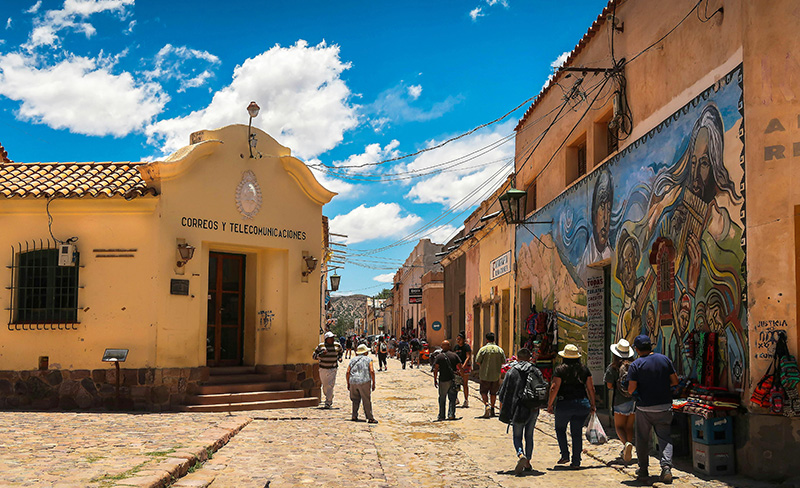
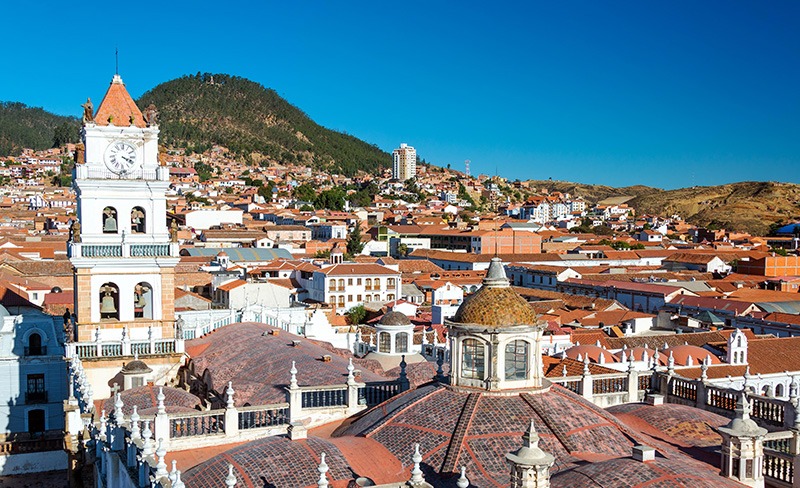
Sucre will captivate you with its colonial charm, cobblestone streets, and whitewashed buildings that gleam under the Andean sun. Declared a World Heritage Site by UNESCO, this city is a veritable open-air museum that will transport you back in time.

Main attractions

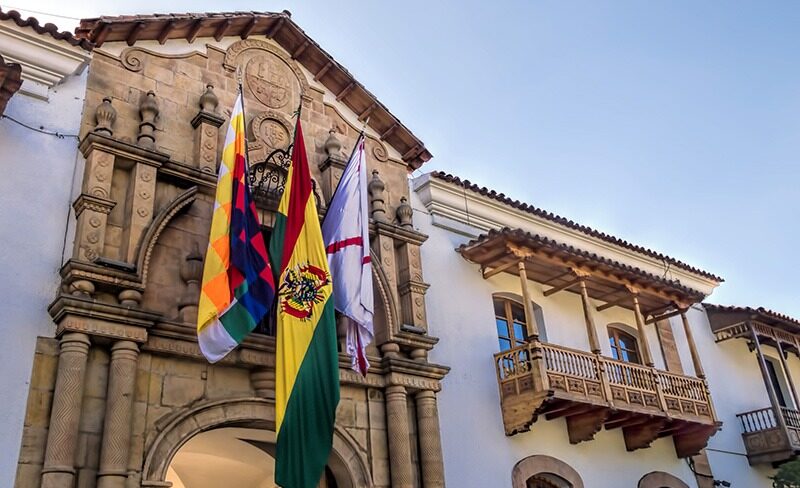
Casa de la Libertad

The place where Bolivia’s Declaration of Independence was signed. A must-see to understand the country’s history.
sucre-explore-bolivia-travel-mirador-recoleta

Mirador de la Recoleta

Offers one of the most impressive panoramic views of the city and the surrounding mountains. A perfect place to enjoy the sunset.

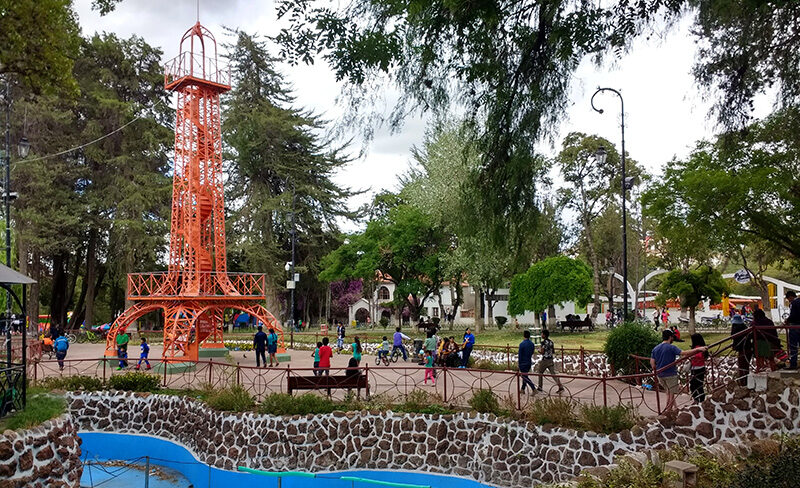
Bolívar Park

An oasis of tranquility with its replica of the Eiffel Tower and an ideal atmosphere for relaxing and observing local life.

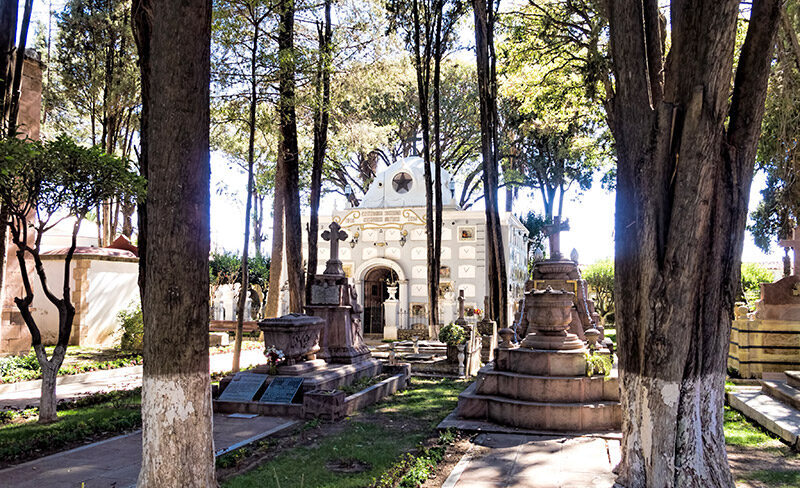
Sucre General Cemetery

More than just a graveyard, it is a place of great historical and artistic value, with mausoleums and tombs that are true works of art.

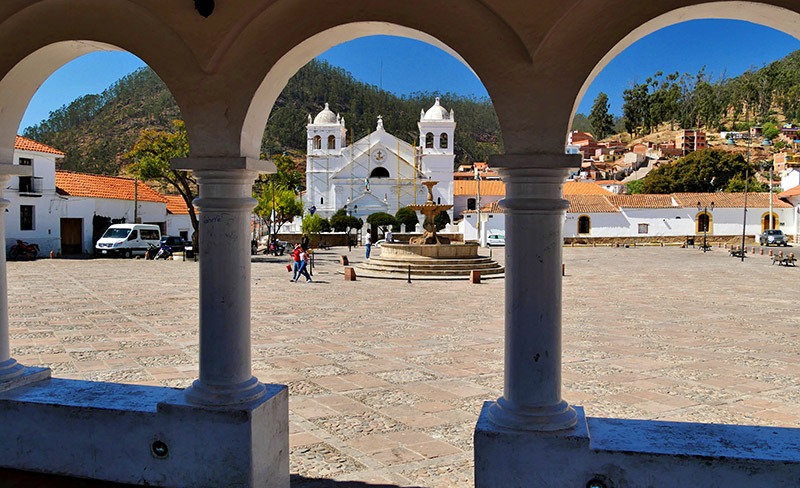
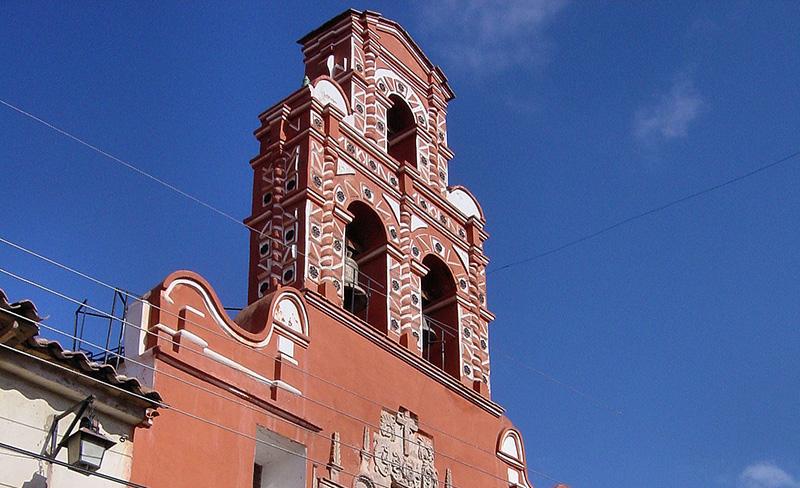
Colonial Convents

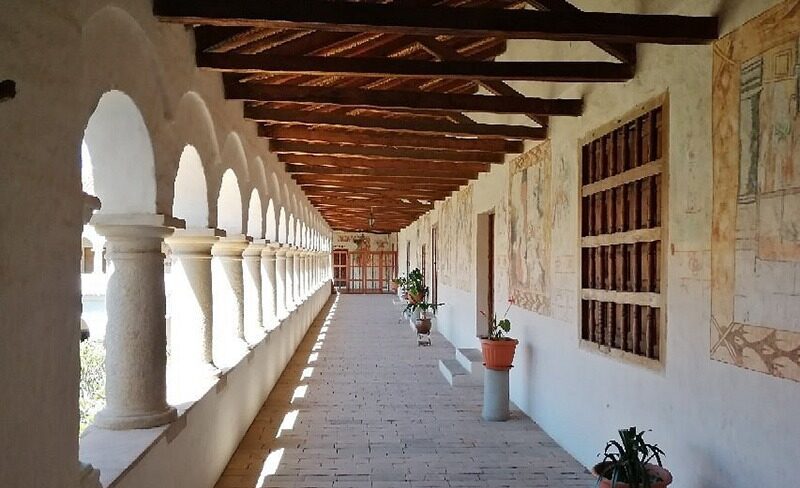
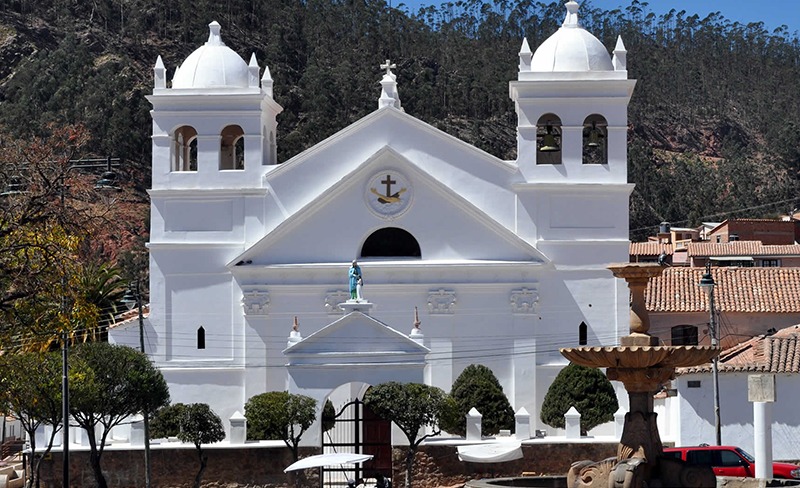
The city is home to numerous convents, such as Santa Clara and La Recoleta, which are architectural and cultural gems that offer a glimpse into the religious and artistic life of the colonial era.

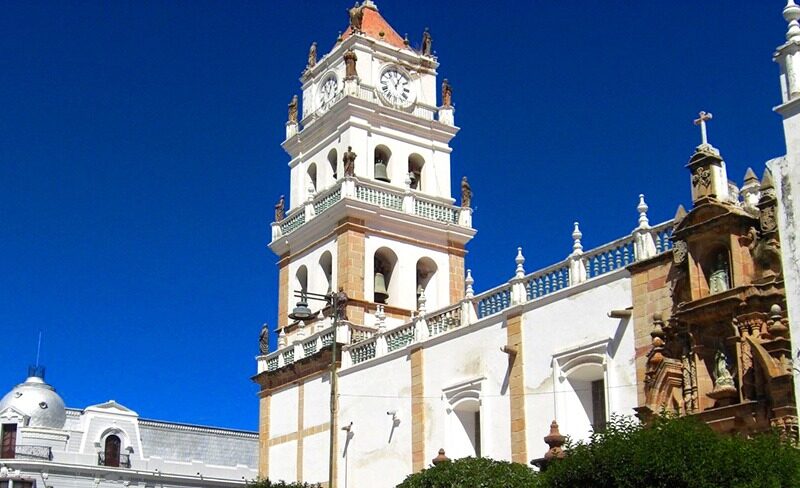
Metropolitan Cathedral

An architectural gem that combines Baroque and Neoclassical styles.

Best Museums in Sucre

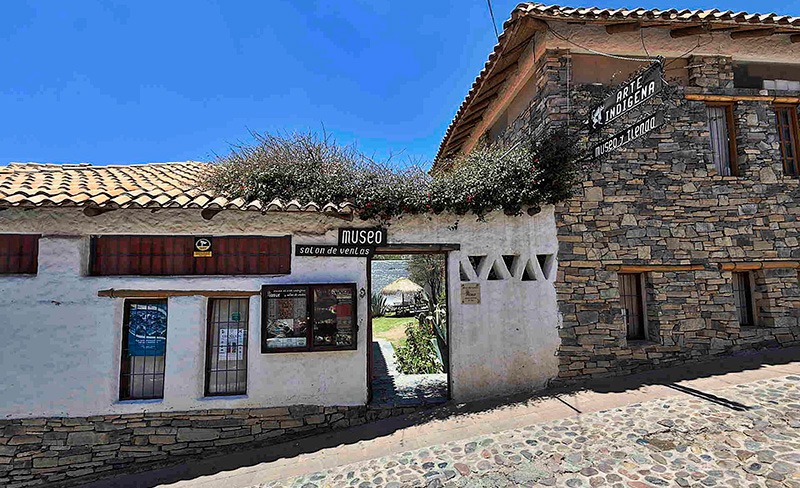
Museum of Indigenous Art (ASUR)

It presents an extraordinary collection of weavings, textiles, and art from the cultures of the region, highlighting the rich heritage of Jalq’a and Tarabuco.

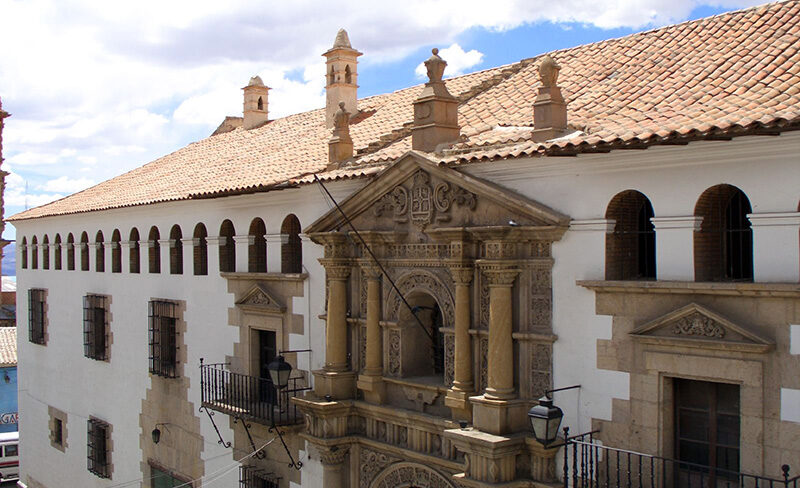
Recoleta Museum

Located in the former convent, it houses religious art, a colonial library, and a cloister with spectacular views.

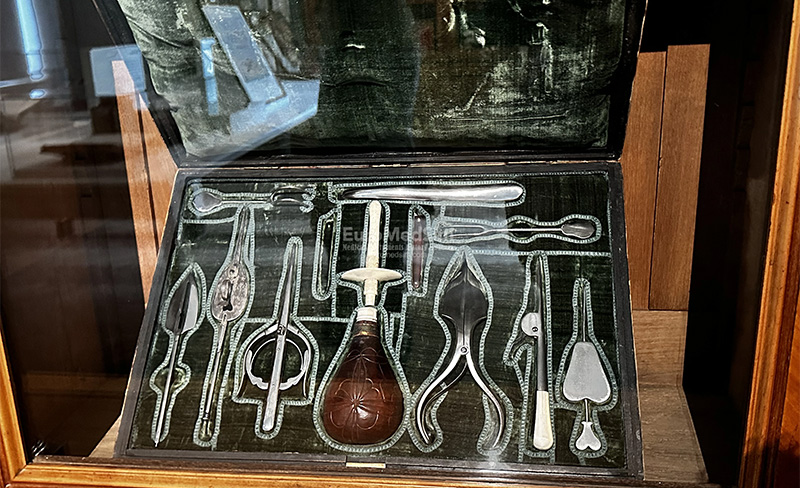
Museum of the History of Medicine

A fascinating space that explores the evolution of medicine and pharmacy in Bolivia.

Potosí

The Imperial Villa, City of Silver

At the foot of the imposing Cerro Rico, Potosí stands as a living testimony to one of the most prosperous (and at the same time complex) periods in world history. This city, also declared a World Heritage Site, invites you to explore the legacy of its mining past.

Main attractions

potosi-explore-bolivia-travel-cerro-rico

Cerro Rico

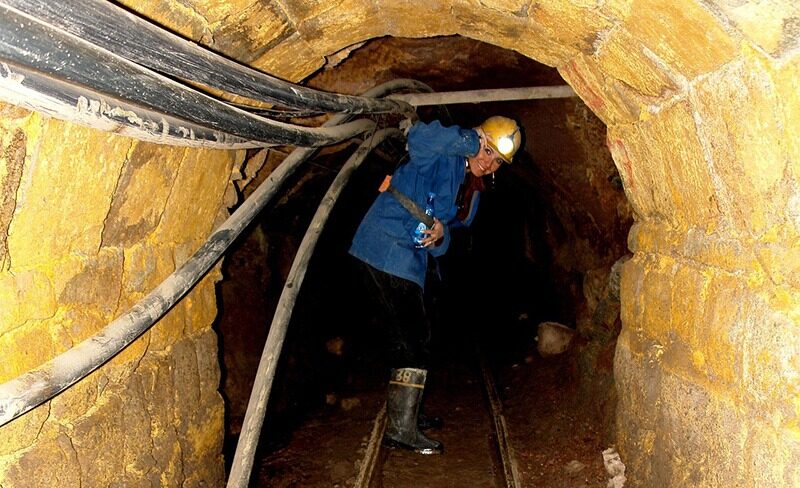
The heart of Potosí. Although visiting it is an intense experience and not suitable for everyone, it offers a deep insight into mining and the lives of miners. Guided tours of the mines are available.

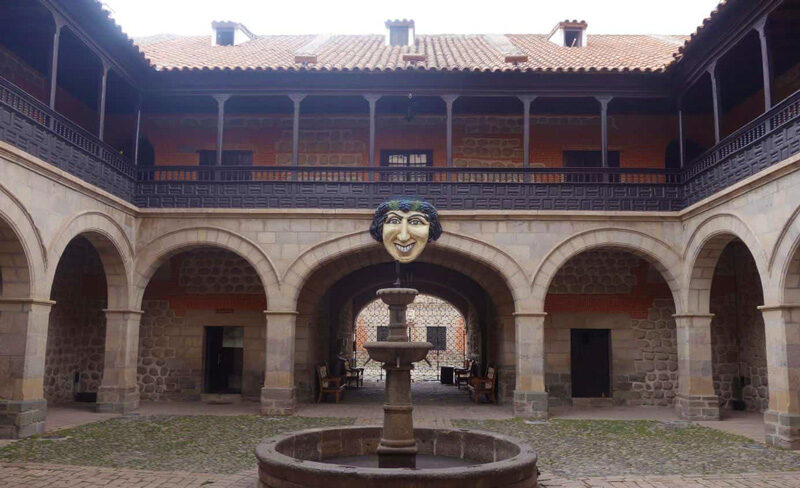
Casa de la Moneda

One of the largest and most important colonial buildings in South America. It is an extraordinary museum that tells the story of silver mining and the coin minting process.

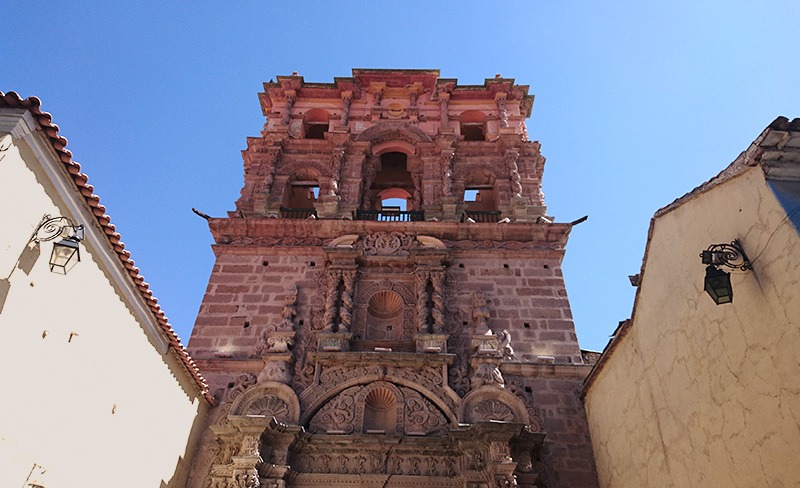
Torre de la Compañía de Jesús

An impressive example of Andean Baroque architecture, with an unparalleled view from the top.

Calle de los 7 Duendes

One of the most picturesque streets in the city, with an atmosphere steeped in legends and history.

Best Museums in Potosi

Casa de la Moneda

Without a doubt, the most important museum in the city. Its collection ranges from the history of silver to coinage and the art of the period.

Convento Museo Santa Teresa

A cloistered convent that offers insight into the life of nuns in colonial times, with a rich collection of sacred art and period furniture.

When is the best time to visit?

The best time to visit Sucre and Potosí is during the dry season, which runs from April to October. During these months, the days are sunny, the skies are clear, and the temperatures are pleasant, making it easy to explore the cities and their surroundings.

The rainy season (November to March) can make access to some areas difficult, although the landscape becomes greener.

Pack your bags and let yourself be carried away by the magic of Sucre and Potosí, where every corner tells a story!

Scroll al inicio