Madidi National Park

The living heart of the Bolivian Amazon

Why visit Madidi National Park

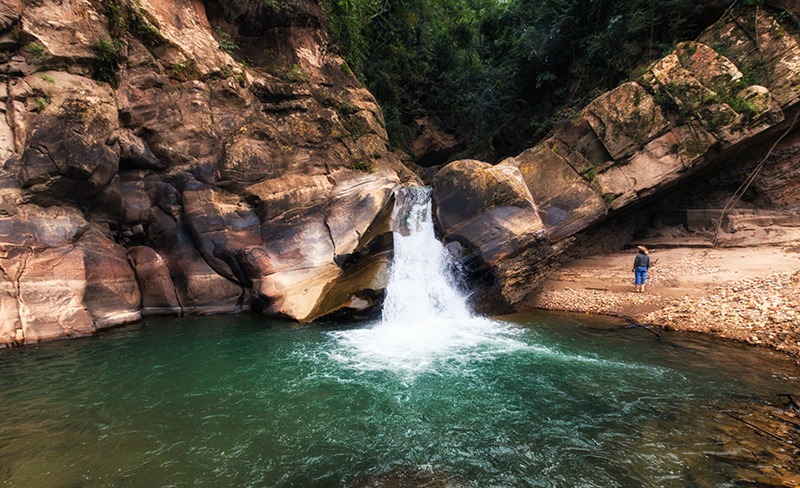
Visiting Madidi National Park means entering the living heart of the Bolivian Amazon, a natural sanctuary considered one of the most biodiverse places on the planet. There, every trail reveals a concert of life: multicolored birds flying through the sky, rivers winding through the jungle, and indigenous communities that preserve their culture in harmony with nature.

Being in Madidi is to experience the strength and purity of a world that still breathes intact, to feel the deep heartbeat of the earth and discover that Bolivia’s true wealth lies in the magic of its nature. It is a transformative journey, because you don’t just contemplate the forest… you learn to love and respect it.

What to do in Madidi National Park

Hikes through the Amazon rainforest

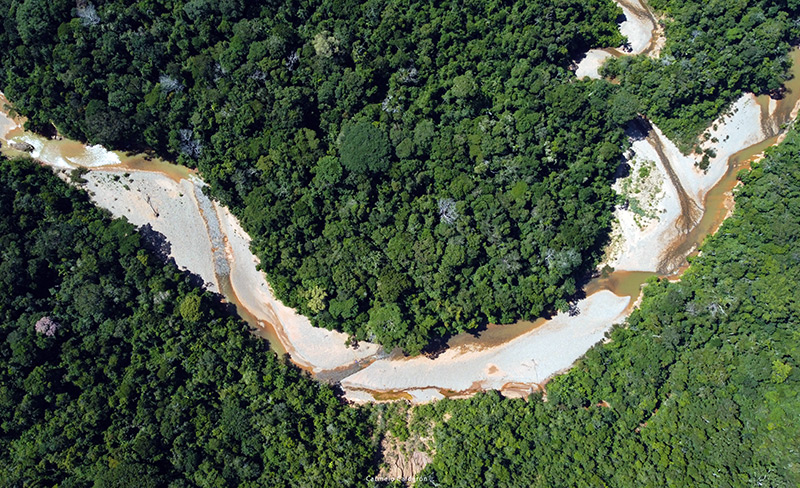
Guided trails where you can observe the park’s incredible biodiversity: giant trees, monkeys, butterflies, orchids, and even jaguar tracks.

madidi-explore-bolivia-travel-tucan

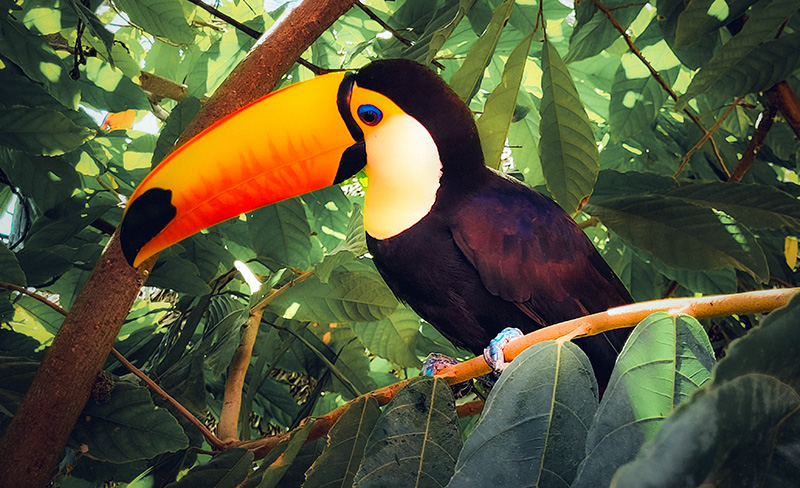
Bird watching

Madidi is a paradise for bird watchers, with more than 1,000 species recorded, including macaws, toucans, and harpy eagles.
madidi-explore-bolivia-travel-navigation

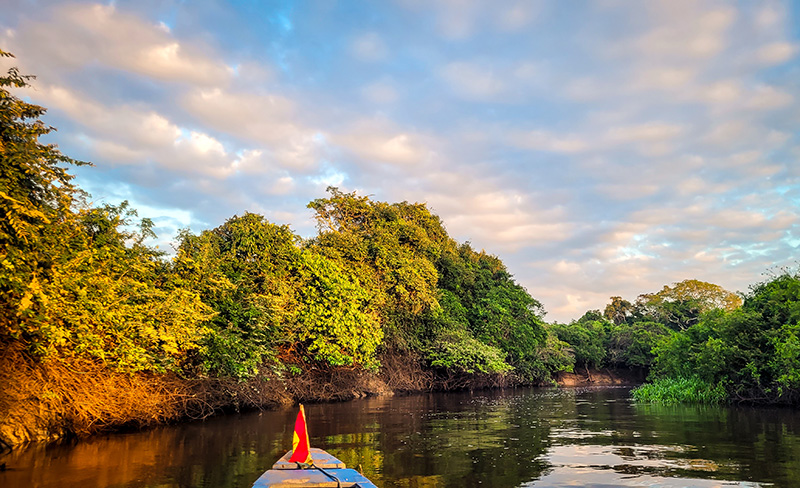
Navigation on Amazonian rivers

Boat trips on the Tuichi or Beni rivers, surrounded by lush vegetation and wildlife.

Coexistence with indigenous communities

Cultural experiences with the Tacana, Quechua, and other peoples, learning about their worldview, crafts, and life in harmony with the jungle.

Wildlife viewing

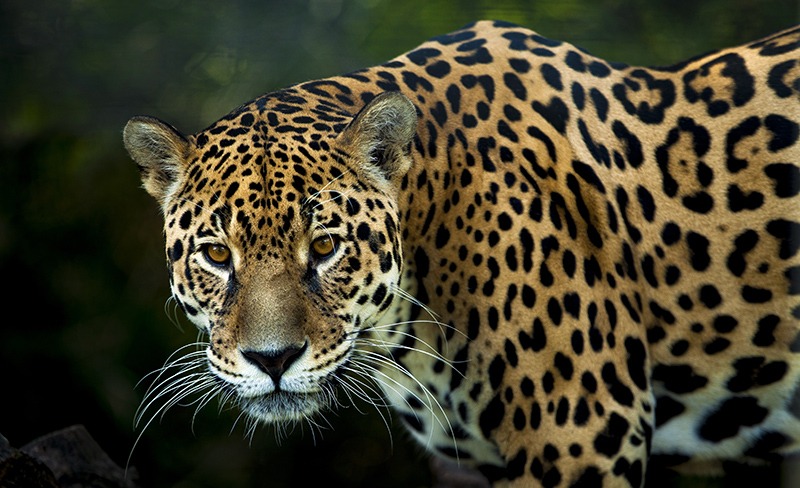
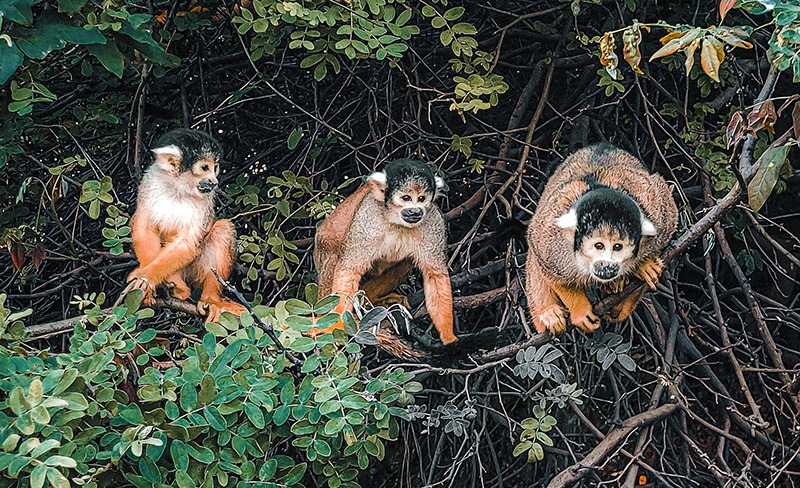
Possibility of seeing capybaras, caimans, pink dolphins, howler monkeys, and, with luck, more elusive species such as jaguars and tapirs.
madidi-explore-bolivia-travel-frog

Night walks

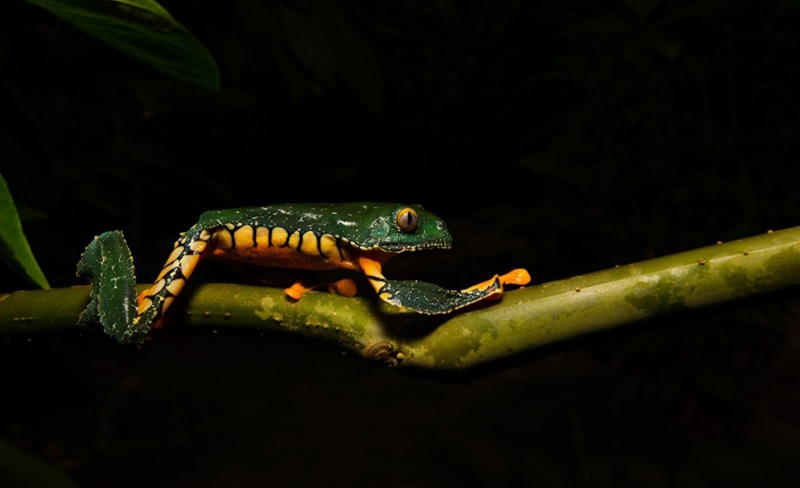
A unique experience to discover the jungle at night, with intense sounds and sightings of insects, frogs, and nocturnal animals.
madidi-explore-bolivia-travel-point-of-vue

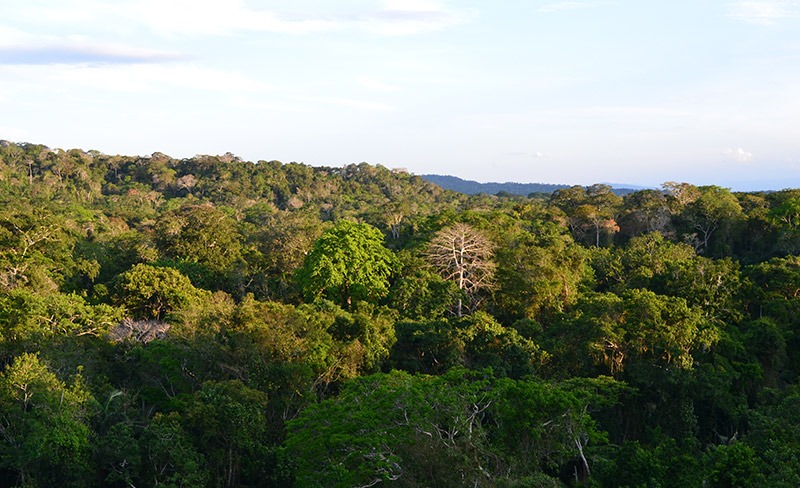
Excursions to natural viewpoints

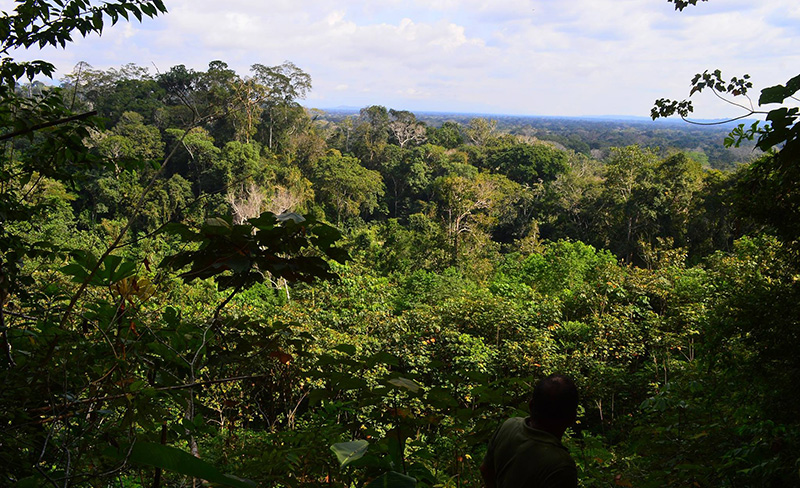
From high points, you can enjoy incredible views of endless jungle and mountains that frame the Amazon.
madidi-explore-bolivia-travel-ecolodge

Ecotourism and eco-lodge accommodations

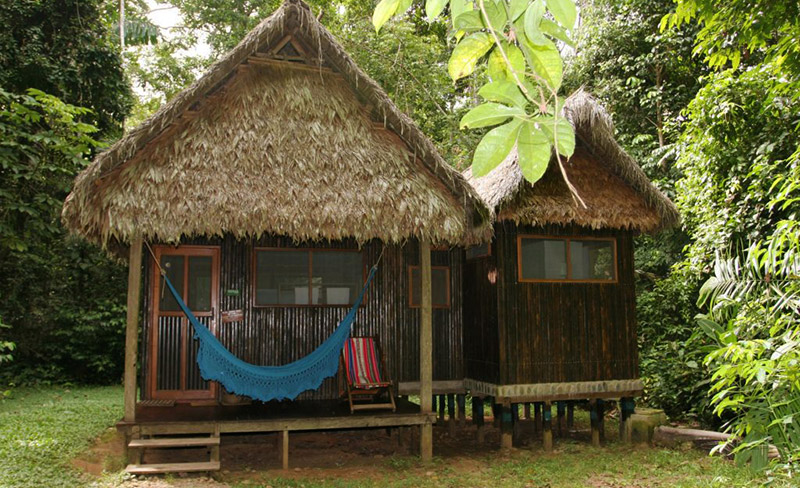
Sleeping in sustainable lodgings within the park, surrounded by natural sounds, is an essential part of the experience.
madidi-explore-bolivia-travel-swimming

Fishing and swimming in the river

In authorized areas, you can participate in traditional fishing or simply cool off in the crystal clear waters.

Nature photography

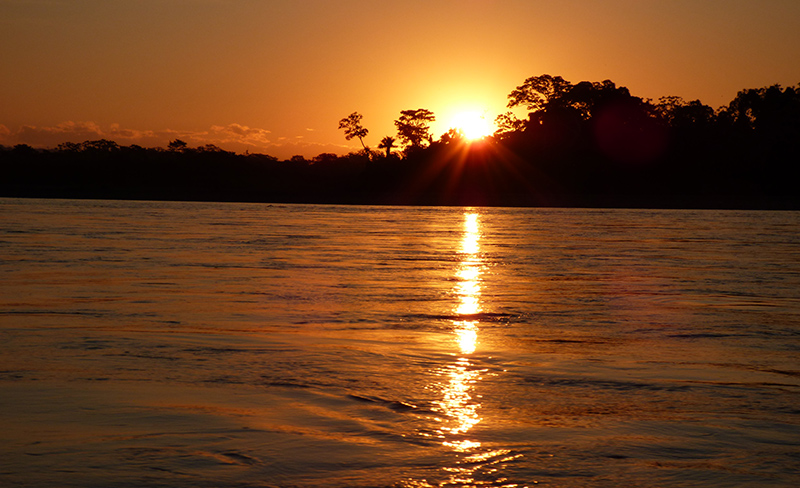
Every corner of Madidi offers unique scenes: jungle sunrises, wildlife in the wild, and dreamlike landscapes.
madidi-explore-bolivia-travel-night

Seasons to visit Madidi National Park

Madidi National Park, located in the Bolivian Amazon, has a tropical climate and can be visited all year round, but the experience varies depending on the season:

Rainy season (November–April)

Climate:
intense heat, frequent rain, and high humidity.


Advantages:

  • The jungle is greener and more lush.
  • Greater abundance of fruits and flowers, which attracts more birds and insects.

Disadvantages:

  • Some roads may become slippery or inaccessible.
  • Greater presence of mosquitoes.

Recommended for adventurous travelers who want to see the Amazon at its most vibrant.

Dry season (May–October) – Most recommended

Climate:
Sunny days, little rain, and better road conditions.

Advantages:

  • Trails are more accessible for long hikes.
  • Greater comfort for river navigation.
  • Best time for wildlife viewing, as animals concentrate around water sources.
  • Ideal for those seeking trekking, navigation, and cultural experiences without weather setbacks.

Relevant and safety information for visiting Madidi National Park

Travel with authorized operators

  • Madidi is a remote area with poor cell phone reception and river roads. It is safest to hire certified tours.
  • Request accredited local guides, boats in good condition, life jackets, and a first aid kit.

Disease prevention and health

  • The park is in the Amazon region, so a yellow fever vaccination is recommended (mandatory for entry in some cases).
  • Use mosquito repellent and light, long-sleeved clothing to prevent bites.
  • Stay hydrated and be aware that the heat and humidity can be intense.

Climate and natural conditions

  • During the rainy season (November–April), some trails and rivers may be more difficult to navigate.
  • When hiking, always follow the guide’s instructions: the jungle is dense and it is easy to become disoriented.

Animals and biodiversity

  • Do not try to touch or feed the wildlife. Keep your distance from monkeys, alligators, snakes, and other animals.
  • Always walk with a guide: many animals are well camouflaged and can be difficult to spot.

River safety

  • Wear a life jacket on all boat trips.
  • Avoid swimming without authorization: some rivers have strong currents or dangerous wildlife.
Scroll al inicio